Introduction
In an ever-evolving digital landscape, managing online communities efficiently is crucial for fostering engagement and maintaining security. Role-based permissions are a fundamental feature that can greatly enhance community management. This article explores the benefits of role-based permissions in chat platforms like Dialogoo and how they can improve your online community experience.
What Are Role-Based Permissions?
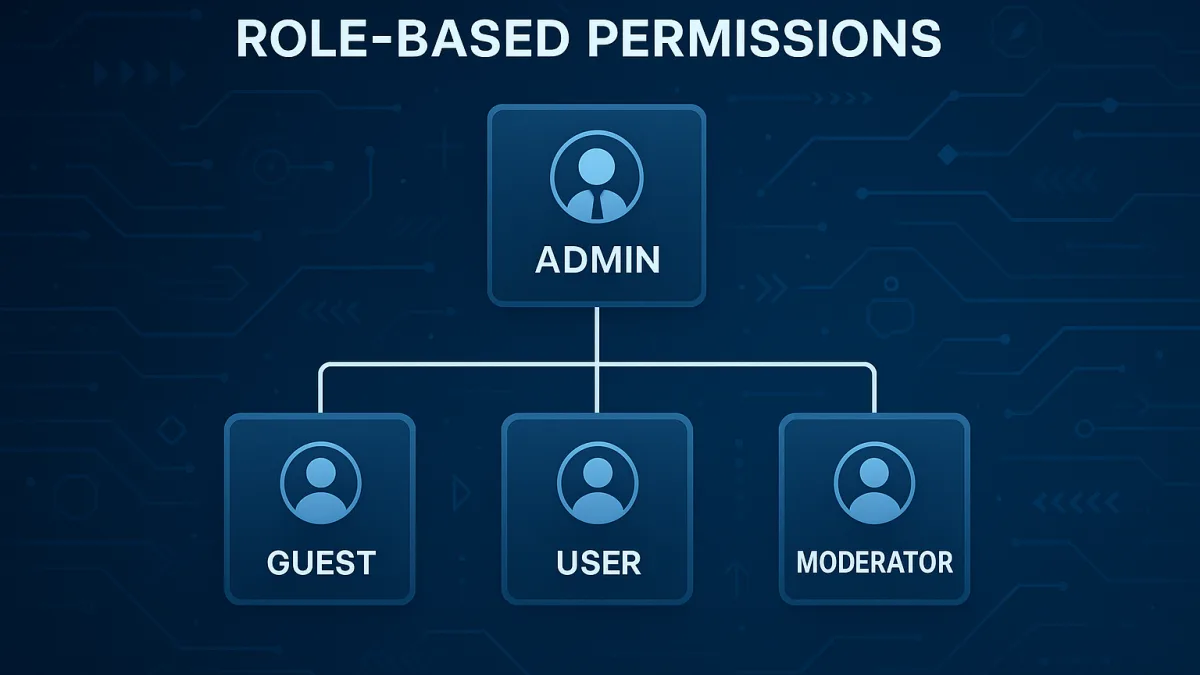
Role-based permissions allow community administrators to assign specific roles to users, each with distinct access levels and capabilities. In Dialogoo, roles typically include guests, users, and moderators, each with varying degrees of control over the chat environment.
Guest Roles
Guests are typically new or transient users who have limited access to community features. This initial role helps protect the community by restricting guests from performing actions that might disrupt the chat environment.
User Roles
Once a guest becomes a registered user, they gain access to more features, such as sending private messages or viewing certain chat content. User roles are essential for building a community, as they encourage participation while maintaining order.
Moderator Roles
Moderators are entrusted with higher-level permissions to ensure a safe and engaging environment. They can enforce rules, manage content, and even ban disruptive users if necessary. Dialogoo's robust moderation tools enhance these capabilities, allowing for effective community management.
Benefits of Role-Based Permissions
Enhanced Security
By controlling what each user can access or modify, role-based permissions safeguard your community from potential threats. Limiting access for guests and users reduces the risk of spam and malicious activity.
Improved User Experience
Role-based permissions also contribute to a better user experience by ensuring that community interactions are respectful and orderly. Moderators can swiftly deal with any disturbances, allowing users to engage without distractions.
Streamlined Community Management
Managing a chat community can be complex, but role-based permissions simplify the process. By delegating responsibilities through different roles, administrators can focus on strategic community growth rather than everyday issues.
Implementing Role-Based Permissions with Dialogoo
Dialogoo makes it easy to implement role-based permissions through a user-friendly interface. Community managers can assign roles without needing to code, thanks to Dialogoo's intuitive platform. The ability to fine-tune permissions ensures that your community operates smoothly and securely.
Conclusion
Implementing role-based permissions in your online community can lead to significant improvements in security, user experience, and management efficiency. By utilizing the features provided by platforms like Dialogoo, you can build a thriving, well-managed community. For more information on setting up your chat environment, visit our Create my chat page and start enhancing your online community today.